October 28, 2026
Why Embroidered Polos Are a Smart Investment for Your Team's Uniforms
By @embroideredpolosnews
When you think about branded apparel for your team or organization, the options can feel endless. T-shirts, jackets, hats, and hoodies all have their place. But if I had to pick one item that delivers the best balance of professionalism, durability, and everyday comfort, it would be the embroidered polo shirt. Over the years, working with various businesses and groups, I have seen how a well-chosen polo can pull a team together and present a polished image without making anyone feel stiff or over-dressed.
The Difference Between Screen Printing and Embroidery
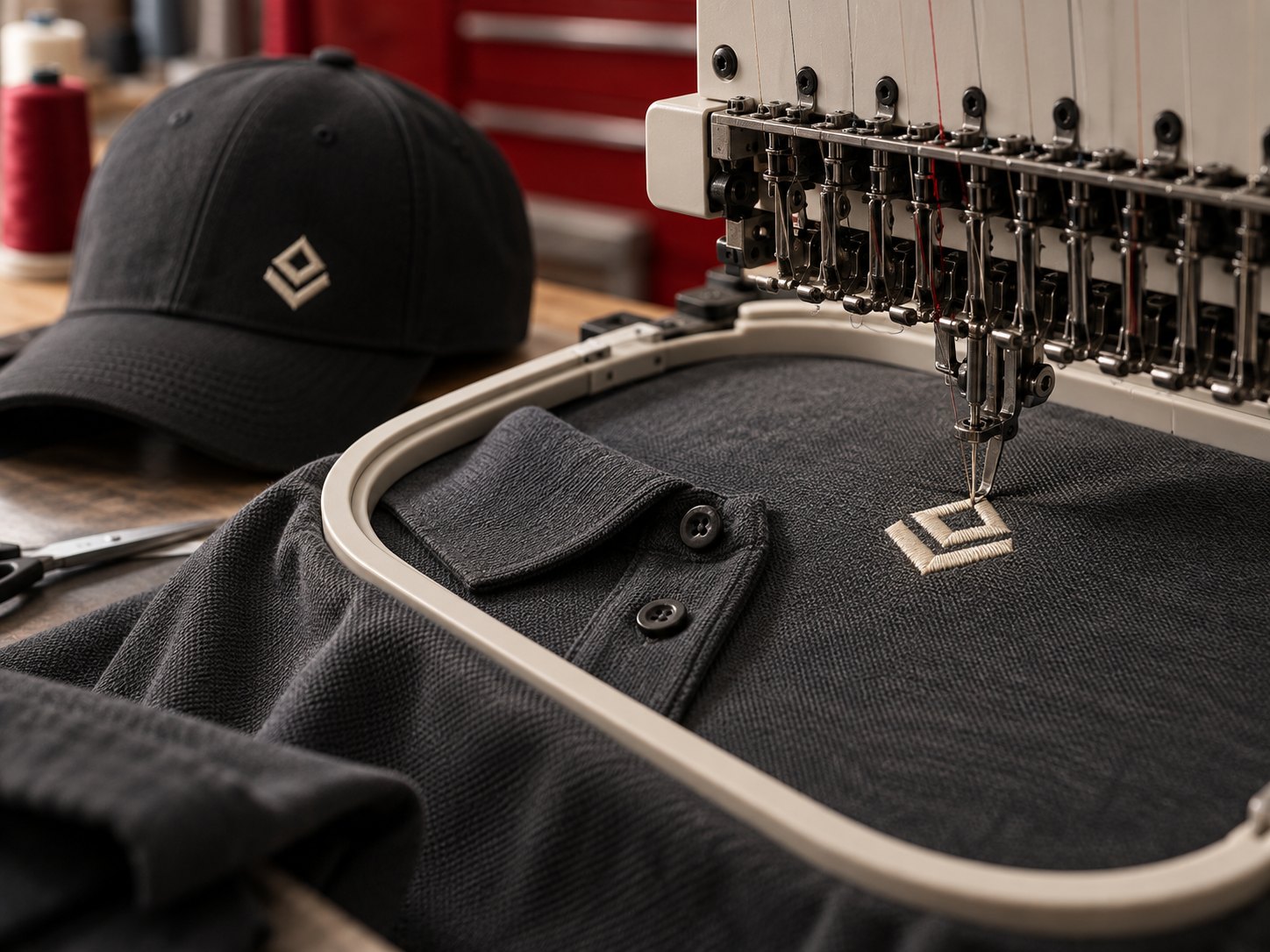
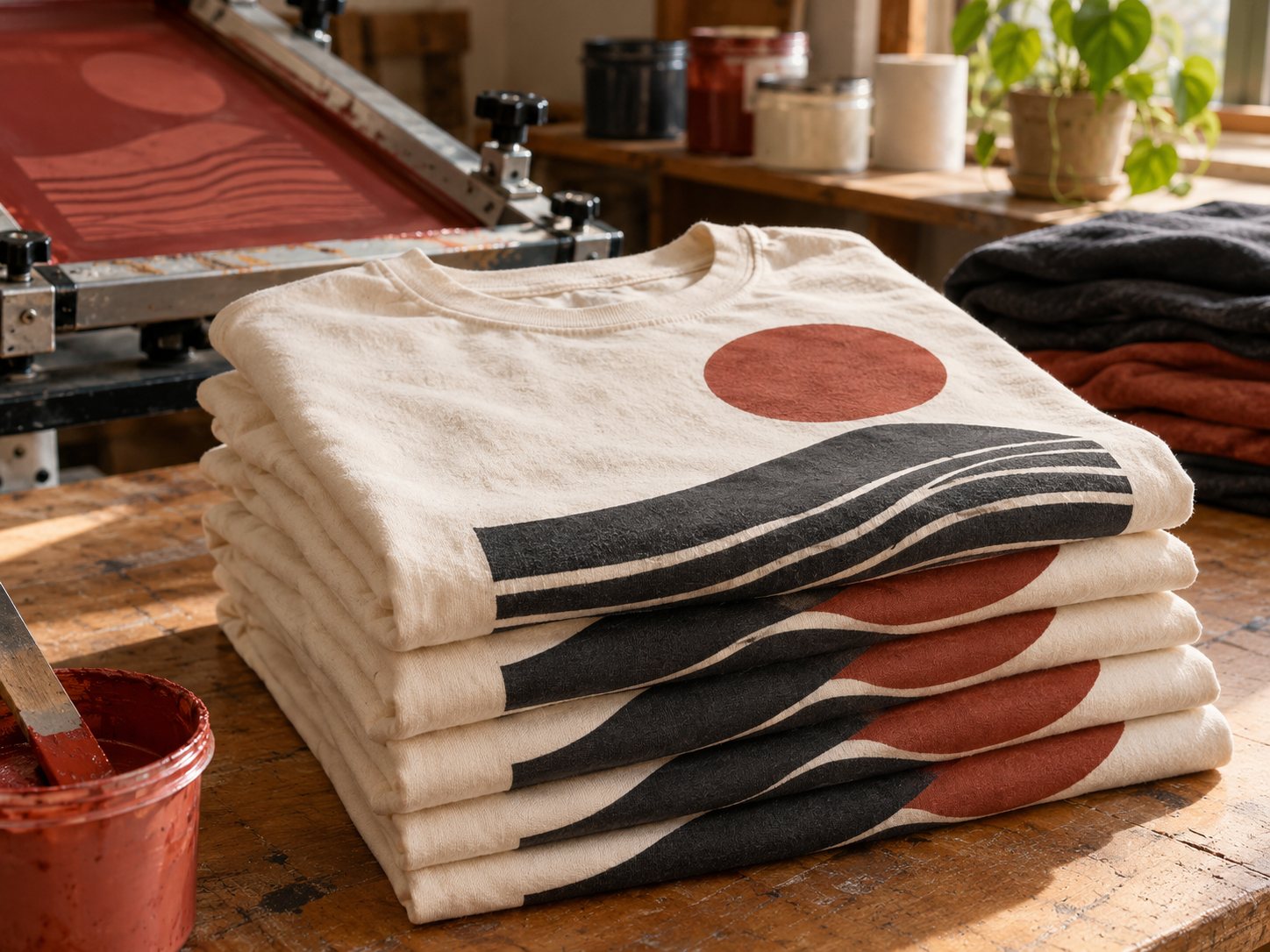
Before settling on any apparel, it helps to understand the two main decoration methods: screen printing and embroidery. Screen printing works wonders for bold logos and designs with many colors on T-shirts or hoodies. It lays ink flat on the fabric and is cost-effective for large orders. Embroidery, on the other hand, uses thread to stitch a design directly into the garment. It creates a raised, textured look that feels premium and lasts a long time. For polos made of pique cotton or polyester blends, embroidery is often the natural choice because it holds up through repeated washing and still looks crisp after a year of weekly wear.
I have seen teams choose screen-printed polos and then find the ink cracking after a few cycles in the dryer. That does not happen with embroidery. The thread can fade slightly over many washes, but it does not peel or flake. That longevity is one of the main reasons why embroidered polos are a favorite for uniforms that need to stay presentable for months or even years.
Why Polos Work for So Many Workplaces
Polos hit a sweet spot between casual and formal. They are not as laid-back as a T-shirt and not as rigid as a button-down dress shirt. This makes them ideal for customer-facing roles in retail, hospitality, healthcare, and service industries. I have seen auto repair shops adopt them for their technicians and office staff alike. The mechanics get a durable shirt that moves with them, and the front desk team looks approachable but professional.
Another reason polos are so popular is the range of colors and fits available. You can find them in nearly every color of the rainbow, from muted navy and charcoal to bright orange or lime green. Many brands now offer slim, classic, and relaxed fits, so you can choose what works for your group's body types and dress code preferences. When you add custom embroidery, you get a uniform that feels intentional and tailored, not just something grabbed off a rack.
Fabric Choices Matter More Than You Think
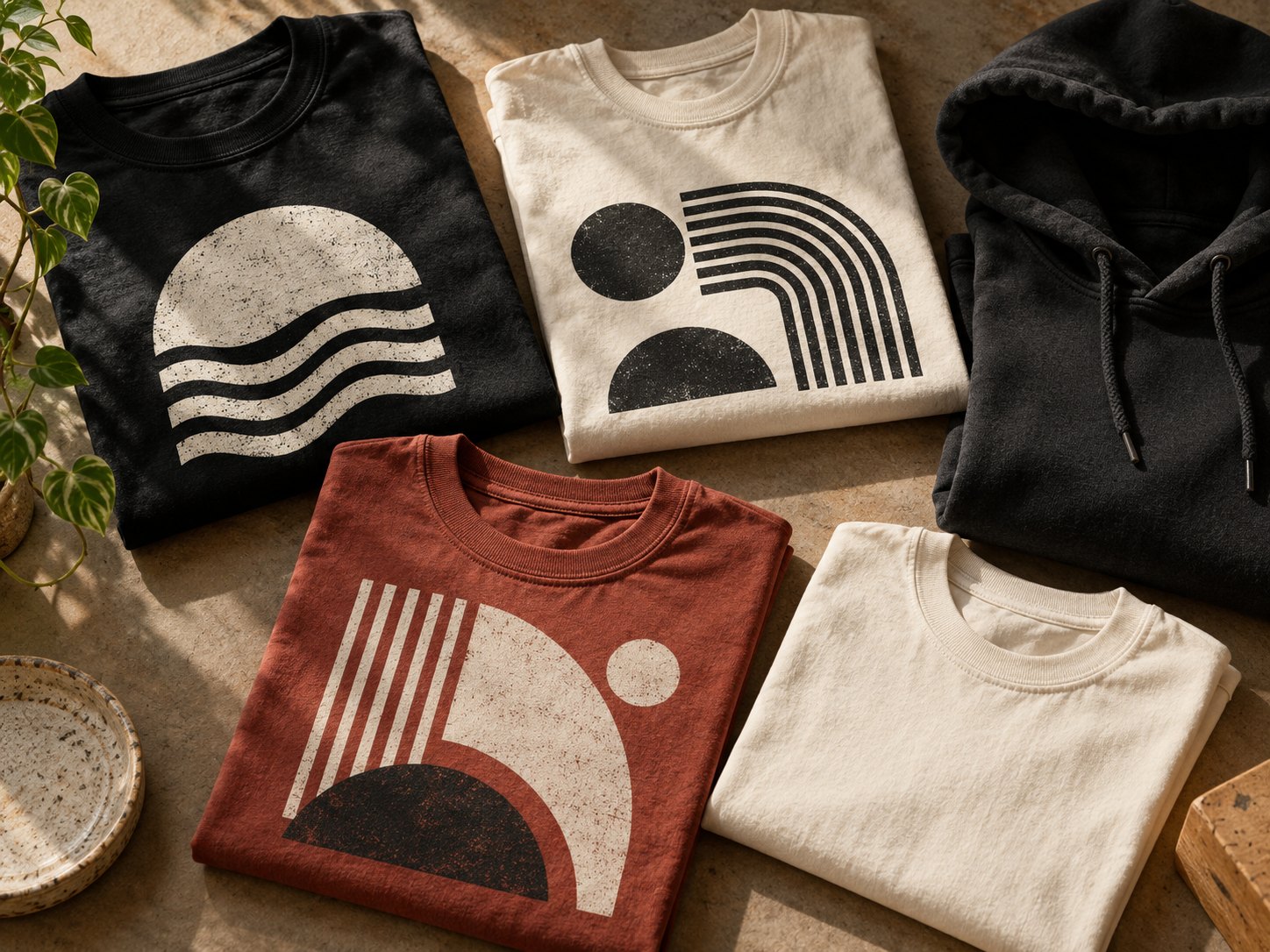
Not all polos are created equal. I have seen organizations buy cheap polos to save a few dollars, only to replace them a few months later because they shrank, lost shape, or the fabric pilled. If you are going to invest in embroidered polos for your team, it pays to consider the fabric carefully. Cotton blends breathe well and feel soft, but they can wrinkle. Polyester blends are more wrinkle-resistant and dry quickly, making them a good fit for active work environments. Some polos come with a bit of spandex for stretch, which helps if your team moves around a lot.
I usually recommend fabrics that have at least 60 percent cotton if comfort is the priority, or higher polyester content if durability and quick drying matter more. The thread used for embroidery also matters. Polyester embroidery thread is colorfast and strong, while rayon thread has a nice sheen but can fade faster in direct sun. Knowing these small details can save you from disappointment down the road.
Designing a Logo That Embroiders Well
Not every logo is ready for embroidery right out of the box. If your logo has tiny text, very thin lines, or intricate details, it might not stitch cleanly on a polo shirt. The embroidery machine has to pull thread through the fabric, and very small elements can become blurry or lost. I have seen organizations try to cram a complex logo onto a small chest area, and the result looks messy.
A good rule of thumb is to simplify your design for embroidery. Thick lines, solid shapes, and clear lettering work best. If your logo has a lot of small text, consider putting the text on a separate line or omitting it from the polo and saving it for larger items like jackets. Many embroidery shops, including DSP Printing, can help you digitize your logo and adjust it so it stitches cleanly on a polo. That step is worth the small fee because a good digitization makes the difference between a sharp logo and one that looks like a tangled mess of thread.
Cost and Order Sizes
Embroidery typically costs more per piece than screen printing for the same number of items. But the cost difference shrinks as the order size grows. If you are ordering 12 polos for a small team, the setup fee for embroidery might feel high. For orders of 48 or more, the per-piece cost drops significantly. I have seen many businesses start small and then reorder larger batches once they see how well the polos hold up.
Another thing to consider is that embroidery does not have a per-color setup fee the way screen printing does. Screen printing charges extra for each color in the design. With embroidery, the thread colors are part of the digitization, and adding more thread colors is usually less expensive than adding more ink screens. If your logo has several colors, embroidery can actually be more economical for smaller runs.
What to Expect During the Ordering Process
If you have never ordered custom embroidered apparel before, the process is straightforward. You start by choosing the garment. Most suppliers carry brands like Port Authority, Hanes, Gildan, and Nike. You pick the color and size range. Then you provide your logo in a high-resolution format like a vector file or a large PNG. The embroidery shop digitizes the design and creates a sample, often called a sew-out, so you can see how it looks on the actual fabric before they stitch a batch. This step is important because it lets you catch any issues with size, placement, or thread colors before the full order runs.
Placement is another choice you need to make. The most common spot is the left chest, about four inches wide. Some teams prefer a larger design centered on the back, or a small logo on the sleeve. I have seen organizations put a full back design on polos for event staff and a small chest logo for everyday office wear. Think about where your team will wear the shirt and what kind of visibility you want.
Care and Maintenance of Embroidered Polos
To keep your polos looking good, a little care goes a long way. Turn the shirt inside out before washing. This protects the embroidery threads from rubbing against other clothes. Wash in cold water and avoid bleach. Tumble dry on low or hang dry. High heat can shrink cotton blends and make the embroidery thread look dull over time. I have seen teams follow these simple steps and have their polos look new for two years or more.
If someone on your team is rough on their clothes, consider ordering a few extra polos as backups. It is easier to replace a single shirt than to reorder a whole batch because one shirt got a stain that will not come out. Many embroidery shops keep your digitized file on file, so reordering a single shirt or a small batch later is fast.
The Bottom Line on Uniforms
Uniforms do more than just identify your team. They build a sense of belonging and show customers that you are organized and professional. Embroidered polos, in particular, offer a look that works across many industries and situations. They are comfortable enough for everyday wear and polished enough for client meetings or public events.
I have watched small businesses grow from a handful of employees to a large crew, and the one constant is that they invest in good uniforms early. It sends a message that they care about their image and their people. If you are considering custom apparel for your organization, take a close look at embroidered polos. They might just be the most versatile piece in your wardrobe rotation.
DSP Printing, located at 11611 Salinaz Dr Ste O, Garden Grove, CA 92843, USA, offers custom screen printing and embroidered apparel services for businesses and organizations, and can be reached at +1 714-951-4919.
Connect with us on Instagram.
❧